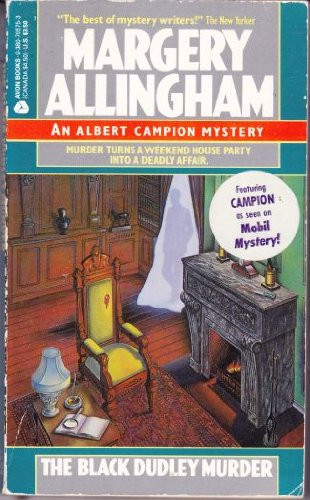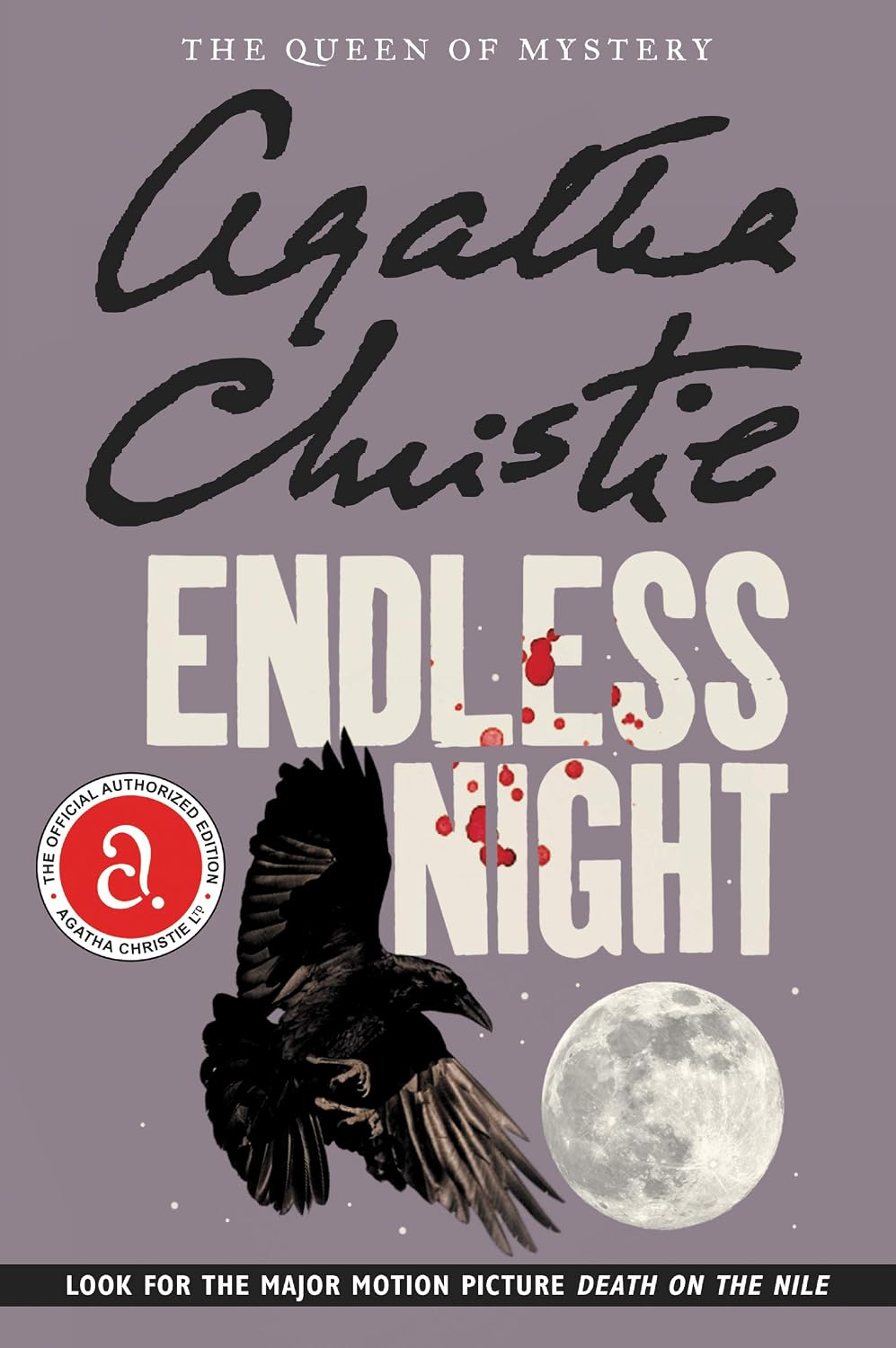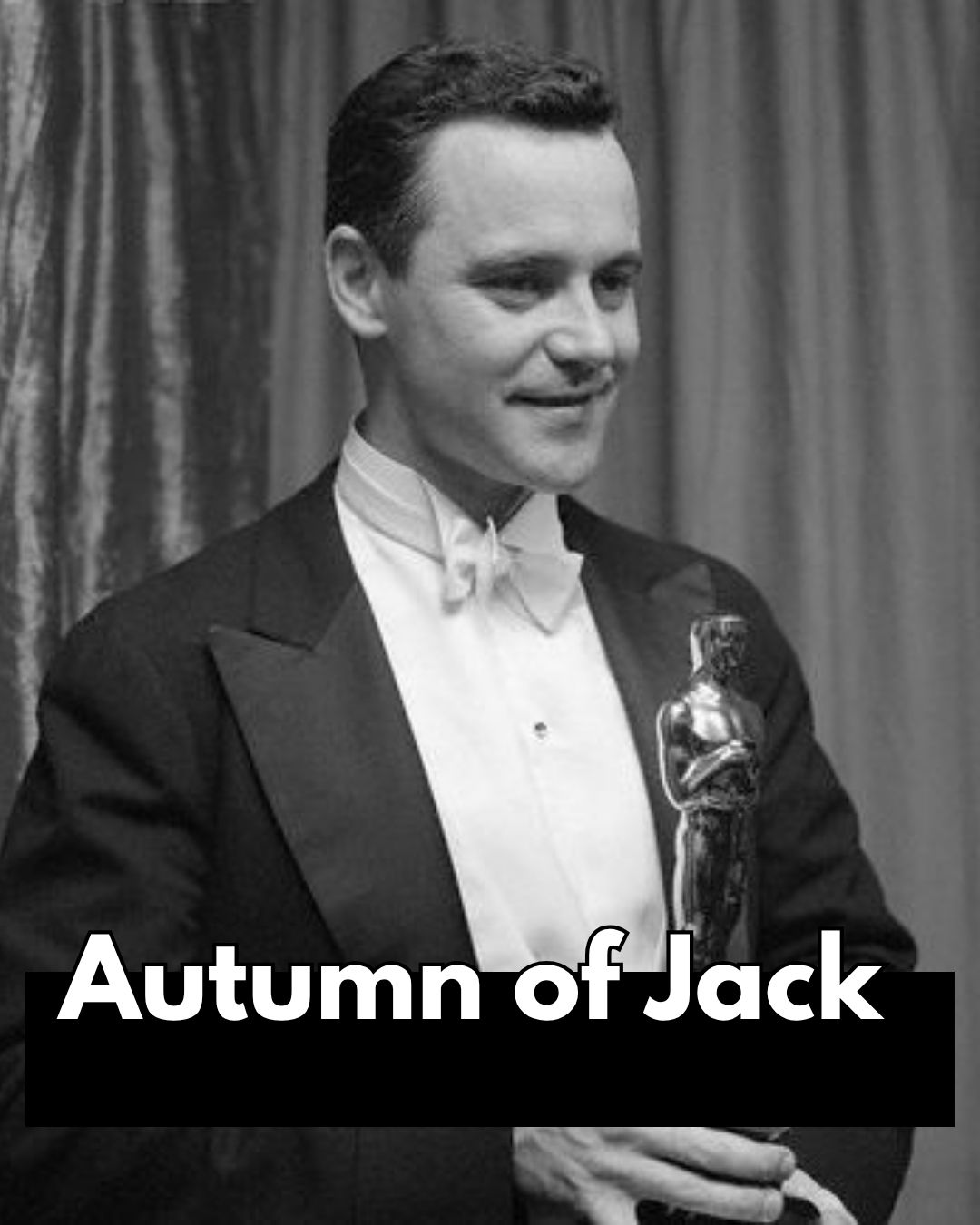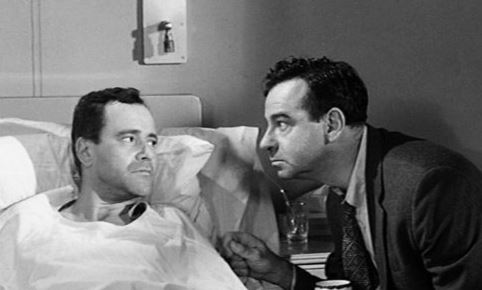
Welcome to the Weekend Traffic Jam Reboot, where we offer a place for bloggers to link up and get a fresh set of eyes on their posts. We also feature one blog a week, letting our readers know about the blog and providing a link so readers can learn more about it. Please feel free to post new blog posts or old ones you want to bring attention to again.
Look for the post to go live about 9:30 PM EST on Thursdays.

I keep trying to think of happy things to write here but I don’t have any right now…things are tough here. I hope they are nice where you are. Tell me something happy in the comments if you can, to make me smile.
Now, let’s introduce our current hosts for the Weekend Traffic Jam Reboot:

Marsha from Marsha in the Middle started blogging in 2021 as an exercise in increasing her neuroplasticity. Oh, who are we kidding? Marsha started blogging because she loves clothes, and she loves to talk or, in this case, write!
Melynda from Scratch Made Food! & DIY Homemade Household – The name says it all, we homestead in East Texas, with three generations sharing this land. I cook and bake from scratch, between gardening and running after the chickens, and knitting!
Lisa from Boondock Ramblings shares about the fiction she writes and reads, her faith, homeschooling, photography and more.
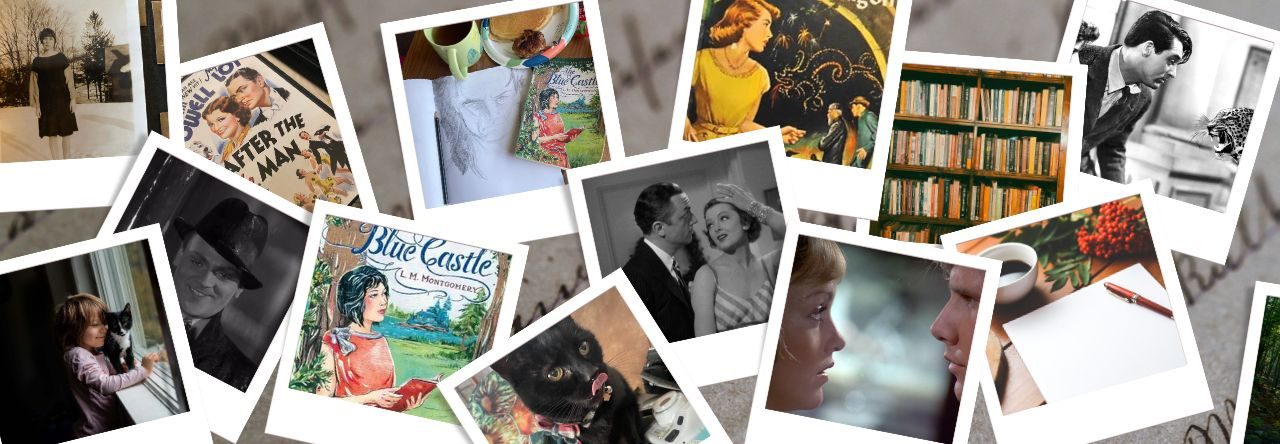
Cat from Cat’s Wire is a bookworm, movie fan, crazy cat lady, armed with beads, cabs, wire and a very jumpy brain which loves to go down rabbit holes!
Rena from Fine, Whatever writes about style, midlife, and the “fine whatever” moments that make life both meaningful and fun. Since 2015, she’s been celebrating creativity, confidence, and finding joy in the everyday.
We would love to have additional Co-Hosts to share in the creativity and fun! If you think this would be a good fit for you and you like having fun (come on, who doesn’t!) while still being creative, drop one of us an email and someone will get back with you!
WTJR will be highlighting a different blogger each week this year! We invite you to stop by their blog, take a look around and say hello!
This week we are spotlighting: I live for my dreams
Thank you so much for joining us for our link-up!
And now some posts that were highlights for me this past week:
Love this lacey ghost from The Apple Street Cottage!
This oatmeal and molasses recipe from Melynda sounds so good!
Gail showed off some awesome jeans and shoes!
I loved looking at Jill’s photos!
Some lovely old books and paintings by Thrifting Wonderland
Important things to know about the link-up:
This link party is for blog posts only. All other links will be deleted.
Please link only blog posts you created yourself.
Please link directly to the URL of your post and not the main address of your blog.
Please do not add links to videos, sales ads, or social media links such as YouTube videos or Shorts, Instagram or Facebook Reels, TikTok videos, or any other “social media” based content.
But do visit other blogs and give the gift of a comment.
Notice: By linking with Weekend Traffic Jam Reboot, you assert that content and photos are your own property. And you give us permission to share said content if your post or blog is showcased.
We welcome unlimited, family friendly content! This can include opinion pieces, recipes, travel recaps, fashion ideas, crafts, thrifting, lifestyle, book reviews or discussions, photography, art, and so much more! Thank you for joining us!
Hello! Welcome to my blog. I am a blogger, homeschool mom, and I write cozy mysteries.


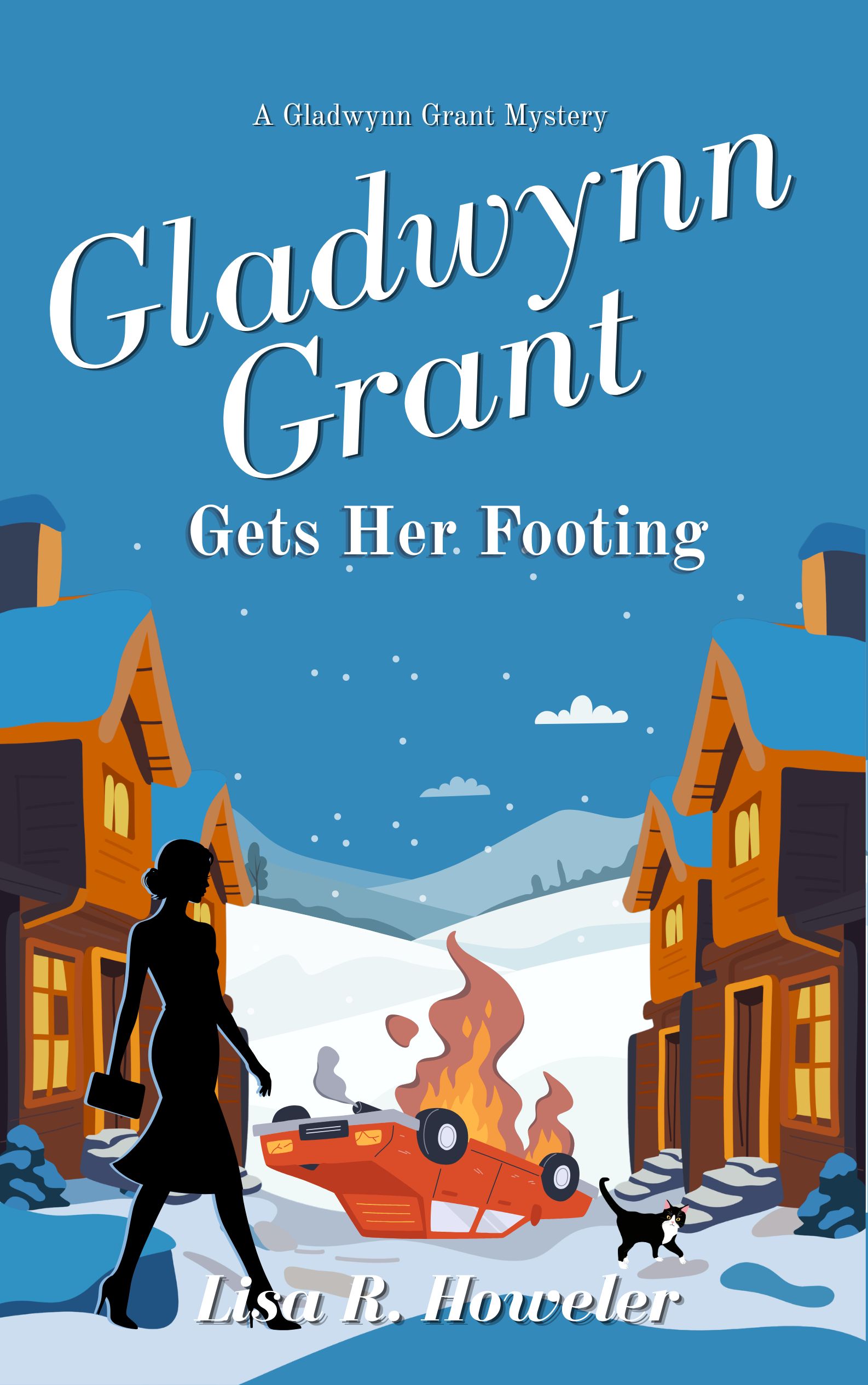
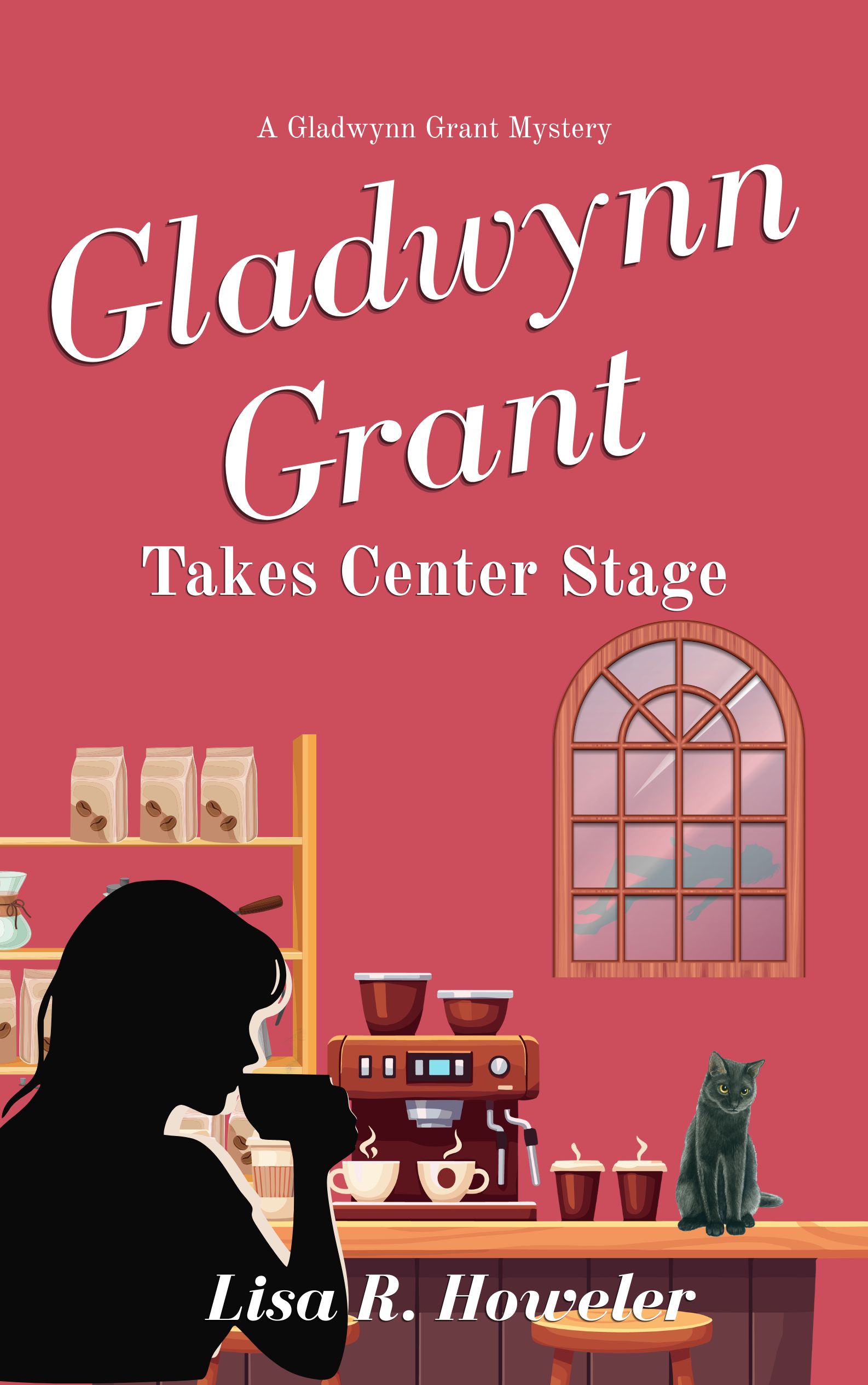
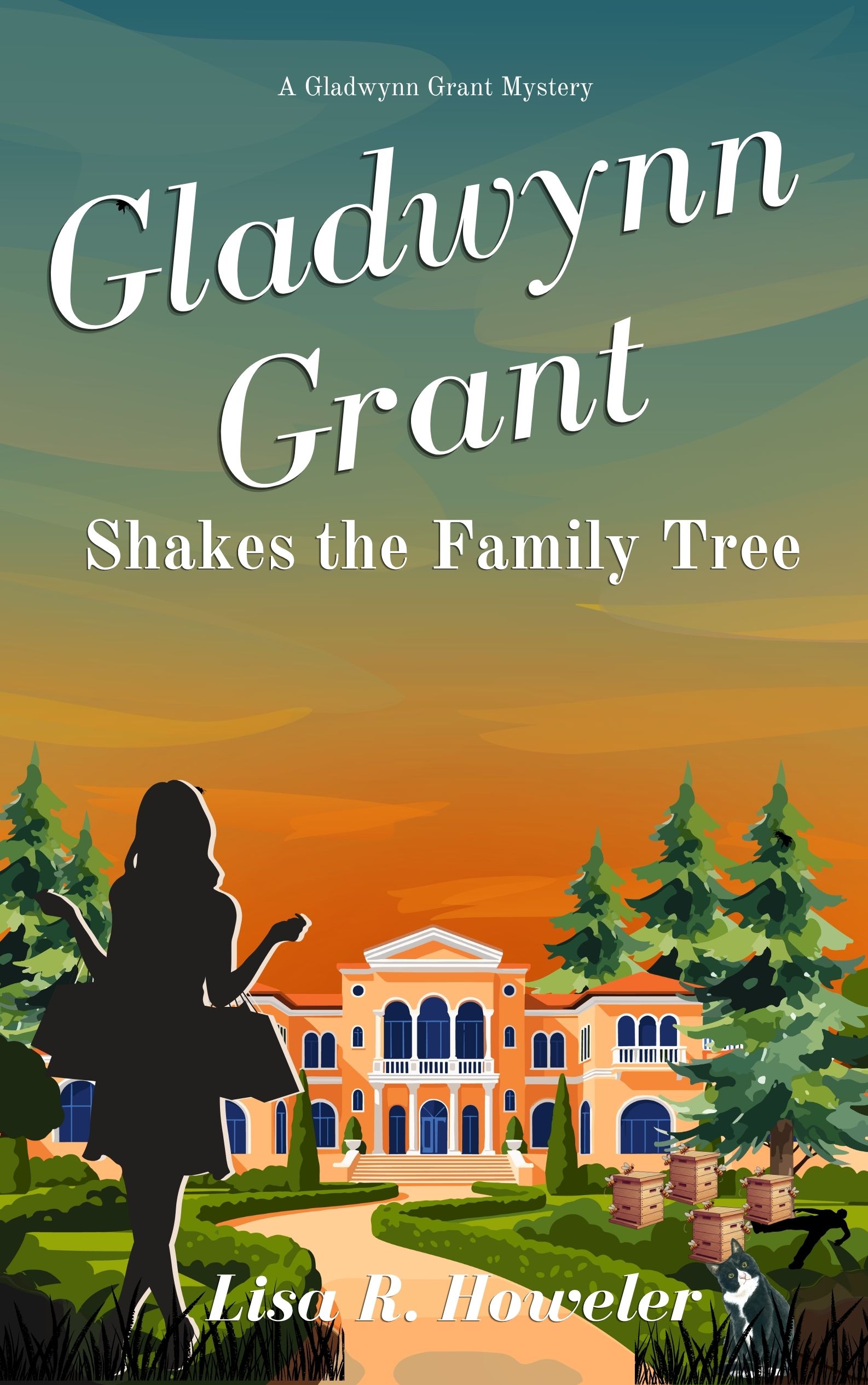
You can find my Gladwynn Grant Mystery series HERE.
You can also find me on Instagram and YouTube and Facebook.